
Menu
Sleep Disorders &
Circadian Repair:
Why You’re Waking Up Tired — And How to Fix It
Summary:
Most people aren’t sleeping — not truly. They lie down, close their eyes, and wake up groggy, heavy, and unrested. It’s not just you. The number of Americans struggling with real sleep issues is far greater than the 70 million often quoted. What’s really broken is the body’s internal repair clock. In this guide, we explain how stress, hormone imbalance, EMF exposure, and circadian disruption rob your brain of Phase IV Delta sleep — and how to reclaim the deep, healing rest your biology is starving for.

Why Most People Wake Up Exhausted
If you’re waking up tired, emotionally flat, or even anxious — despite a “full night’s sleep” — your brain likely never reached Delta sleep, the deepest stage of rest. This is the vital Phase IV where your stress pathways are neurologically reset. Without it, your brain carries unresolved stress from yesterday into today… and then tomorrow… and then the next day, compounding over time.

Symptoms of Circadian Breakdown
- You feel mentally foggy or emotionally heavy in the morning
- You wake up between 2–4AM with a racing mind
- You dread the day before it even begins
- You crash in the afternoon or over-caffeinate to compensate
- You’ve stopped waking up with a sense of peace or purpose
This isn’t just “life.” This is a disrupted circadian rhythm — and it can be repaired.
The Role of Hormones in Deep Sleep
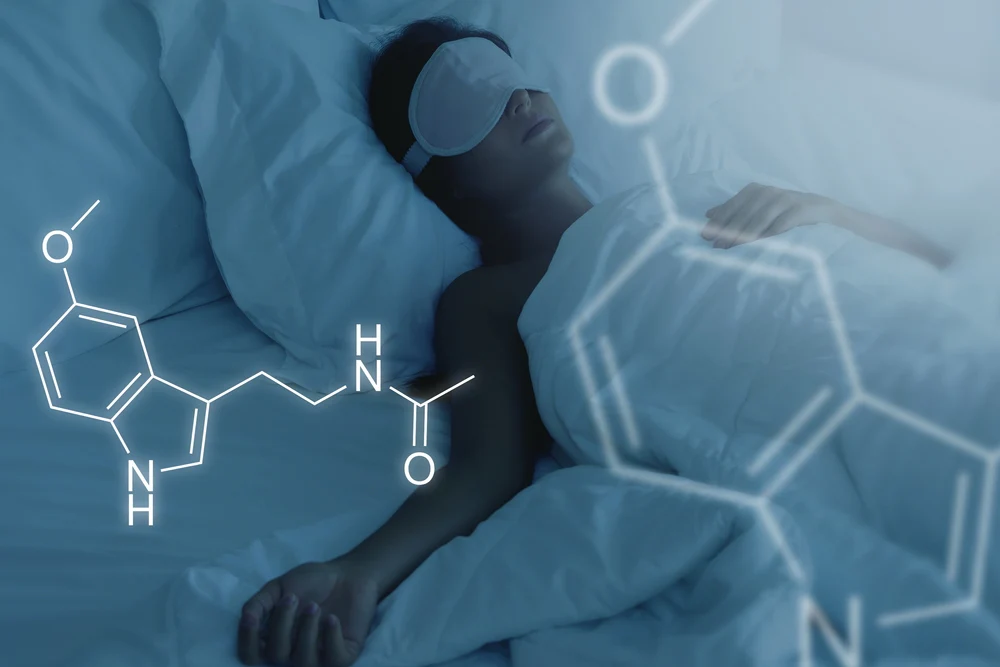
Your sleep-wake cycle is governed by far more than melatonin. In fact, the two most underappreciated regulators of restorative sleep are cortisol and progesterone:
- Cortisol should peak in the morning and fade by night. But in stressed or inflamed bodies, it stays high into the evening — keeping you wired but exhausted.
- Progesterone is your body’s natural sleep hormone. It activates GABA, the same calming neurotransmitter that most sleeping pills try to mimic. Low progesterone is one of the most overlooked causes of chronic insomnia — especially in women over 35 or anyone recovering from synthetic hormones or adrenal fatigue.

What’s Hijacking Your Sleep?
- Artificial Light at Night – suppresses melatonin
- EMF Radiation – disrupts delta brain waves
- Stress + Cortisol Spikes – keeps the brain hypervigilant
- Low Progesterone – removes GABA’s calming effect
- Blood Sugar Crashes – trigger nighttime adrenaline
- Toxin Exposure – taxes the liver during sleep cycles

EMF: The Invisible Saboteur
Your body is electric. So is your phone, your Wi-Fi, your wearable tracker. When your nervous system is constantly bathed in low-level microwave radiation, it never fully powers down. EMFs have been shown to blunt melatonin production and interfere with the brain’s ability to reach deep Phase IV sleep.
Simple Fixes:
- Power off your router at night
- Keep your phone in airplane mode while sleeping
- Avoid Bluetooth wearables overnight
- Consider a grounding mat or EMF shielding fabric

The 7-Step Natural Sleep Reset Protocol
1. Evening Progesterone
Use bioidentical progesterone cream 30–60 minutes before bed to activate GABA and calm the brain.
2. Real Darkness
Use amber glasses or red light after sunset. Block all blue light and reduce light exposure 2 hours before sleep.
3. Anchor Your Morning
Get 5–10 minutes of sunlight in your eyes within 30 minutes of waking. This resets your circadian rhythm.
4. Control Cortisol
Add adaptogens like ashwagandha or phosphatidylserine to calm night-time cortisol spikes.
5. Balance Blood Sugar
Eat protein/fat-based dinners, and avoid alcohol or sugar after 7PM. A small fat-based snack at bedtime can help prevent 3AM wakeups.
6. Ditch the Screens
Avoid all screens, even with night mode, in the hour before bed. Blue light disrupts melatonin and circadian timing.
7. Ground Your Body
Use grounding tools or simply put bare feet on natural earth during the day. This stabilizes electrical activity in the brain and supports deeper sleep.

Why Sleep Meds Don’t Work Long-Term
Pharmaceutical sleep aids force unconsciousness — but they don’t promote Delta sleep. You may be sedated, but your brain never resets. Over time, these drugs can disrupt hormonal pathways, blunt emotional processing, and worsen fatigue.
Final Thoughts
Delta sleep is your brain’s repair shop. Without it, your nervous system stays in survival mode — tense, foggy, and inflamed. When you restore hormonal rhythm, remove EMF and light pollution, and nourish your body properly, deep sleep returns — and so does emotional clarity, immunity, memory, and joy.