For decades, obesity was seen purely as a problem of excess calories and too little exercise. But the latest science reveals a more accurate picture: obesity is a chronic, low-grade inflammatory condition, driven by metabolic dysfunction, not moral failure.
Fat Cells Are Not Inert
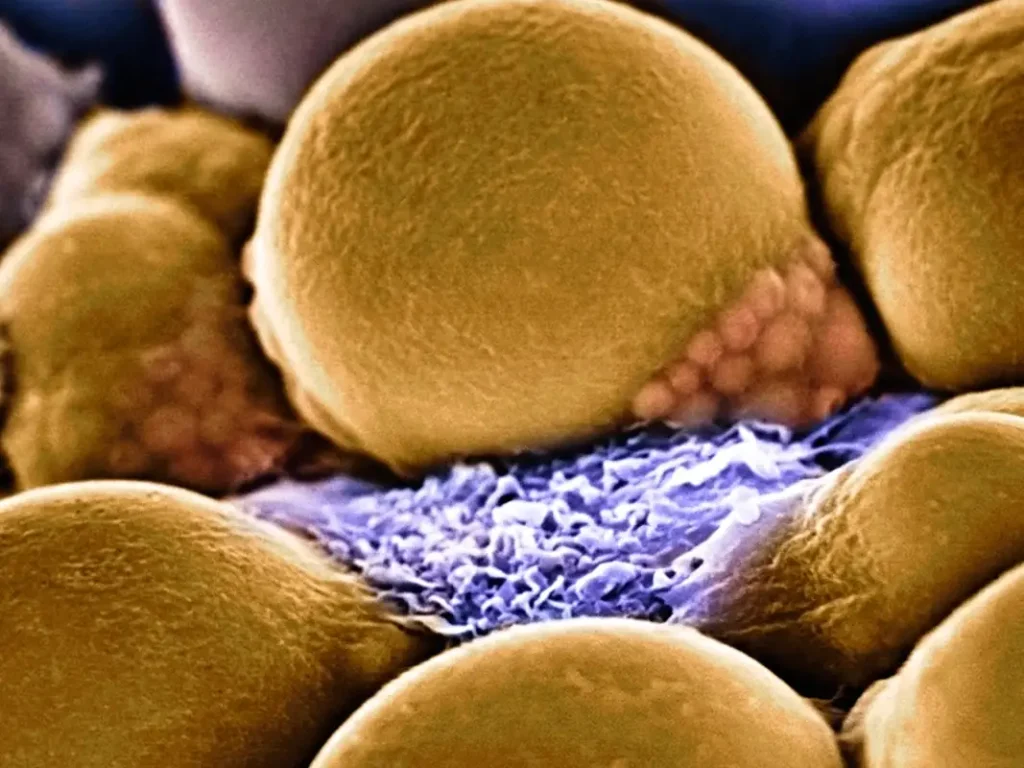
Adipose (fat) tissue is biologically active. When fat cells expand beyond a healthy threshold, they begin to act like overworked factories — leaking pro-inflammatory signals known as cytokines into the bloodstream.
This chronic inflammation affects the entire body:
Increases insulin resistance
Disrupts hormone balance
Damages mitochondria
Alters hunger and satiety signaling
Suppresses immune function
Over time, this internal inflammation contributes to nearly every modern disease: heart disease, type 2 diabetes, fatty liver, cancer, neurodegeneration, and even mood disorders.
Why Diet Alone Often Fails
Standard weight-loss advice — “eat less, move more” — fails to address the underlying inflammatory state of the body. For many people with obesity, their metabolism is already impaired. This can lead to:
High insulin levels that lock fat in storage
Cravings driven by gut microbiome imbalance
Leptin resistance (your brain no longer registers fullness)
Persistent fatigue and low motivation
In this state, forcing weight loss through extreme dieting often increases stress hormones like cortisol, which can make the inflammation worse.
What Actually Works
To reverse obesity as an inflammatory disorder, the solution must go deeper than calorie counting. Effective interventions focus on restoring metabolic balance and reducing inflammation:
Anti-inflammatory diet rich in omega-3 fats, polyphenols, cruciferous vegetables, and fermented foods
Time-restricted eating or fasting to lower insulin and activate fat-burning
Restful sleep to repair tissues and regulate hunger hormones
Daily movement — not for calorie burn, but for lymph flow, detox, and hormone regulation
Targeted nutrients like magnesium, zinc, berberine, and curcumin to reduce inflammatory load
Root-cause testing: heavy metals, gut permeability, endocrine disruptors
In this state, forcing weight loss through extreme dieting often increases stress hormones like cortisol, which can make the inflammation worse.
Obesity Is Not a Character Flaw
It’s time to retire the stigma. Obesity is not just a willpower issue — it is an immune and metabolic response to an inflamed environment: processed foods, poor sleep, chronic stress, hormone-disrupting chemicals, and inactivity.
When people begin to understand this, compassion replaces shame — and healing becomes possible.
Remember: When inflammation goes down, weight often follows — not the other way around.